
Tuckman’s model, proposed in 1965, details the essential phases teams experience – forming, storming, norming, performing – to achieve growth and deliver results.
Historical Context and Bruce Tuckman
Bruce Tuckman first introduced his stages of group development model in 1965, offering a framework to understand team dynamics. This occurred during a period of increasing interest in group behavior and organizational psychology. His initial research aimed to describe the predictable patterns teams follow as they evolve.
Later, in 1977, Tuckman, along with Mary Ann Jensen, added a fifth stage – Adjourning – recognizing the dissolution phase of groups. The model arose from observations of group interactions and a desire to provide a practical tool for understanding and managing team processes. It quickly gained prominence due to its simplicity and intuitive appeal, becoming a cornerstone in fields like team building and group therapy.
The Significance of Understanding Group Dynamics
Comprehending group dynamics, as outlined by Tuckman’s model, is crucial for effective team leadership and member collaboration. Recognizing the stage a group occupies allows for tailored interventions, fostering smoother transitions and maximizing performance. Ignoring these dynamics can lead to unproductive conflict, stalled progress, and diminished morale.
Understanding these stages helps anticipate challenges, such as power struggles during ‘Storming’, and proactively address them. It also enables leaders to cultivate trust and cohesion during ‘Norming’, ultimately leading to high-performing teams in the ‘Performing’ stage. This knowledge is invaluable in diverse settings, from organizational development to therapeutic interventions.
Stage 1: Forming
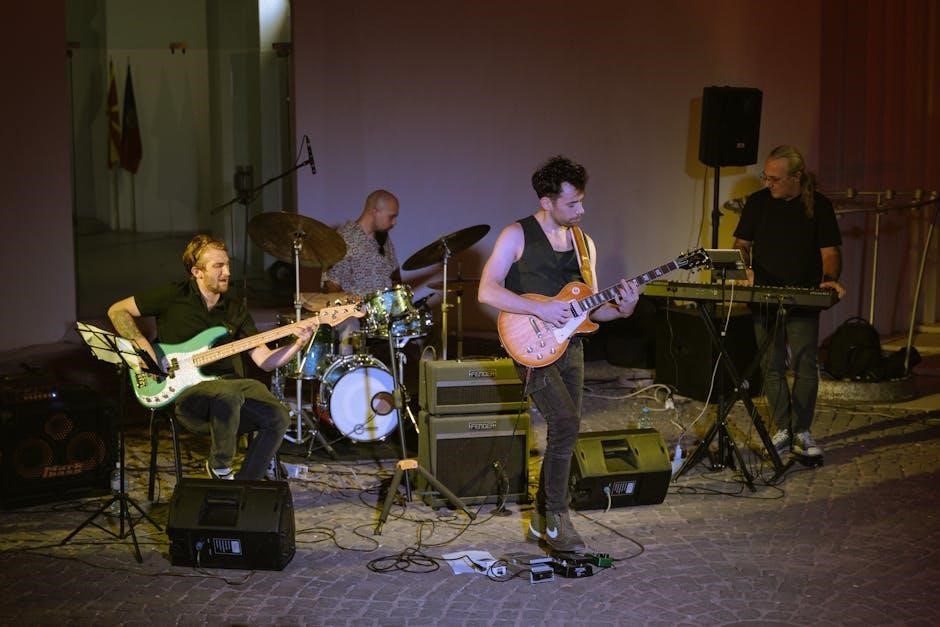
During forming, teams meet, define goals, and begin tasks, with members acting independently and focusing primarily on their own perspectives.
Characteristics of the Forming Stage
The forming stage is marked by initial politeness and cautious interaction among team members. Individuals tend to be independent, motivated yet often uninformed about the team’s objectives and the challenges ahead. This phase prioritizes orientation, with discussions centering on defining the task scope and determining the best approach.
Members are generally on their “best behavior,” prioritizing self-presentation. Mature team members may begin modeling appropriate conduct, setting a positive tone. A crucial aspect of this stage involves relinquishing comfortable, non-threatening topics to embrace potential conflict – a necessary step for progression. The meeting environment significantly influences initial behaviors, establishing early norms.
Member Behavior in the Forming Stage
During the forming stage, team members exhibit a degree of dependence on the leader for guidance and direction. They are typically focused on getting to know each other and understanding the team’s purpose. Behaviors are often characterized by politeness, a desire to avoid conflict, and a cautious approach to sharing opinions.
Individuals may be hesitant to take risks or challenge the status quo. A significant portion of energy is devoted to observing and assessing other team members. This initial phase is about establishing ground rules and building a foundation of trust, albeit a tentative one, before deeper engagement begins.
Orientation and Initial Task Definition
The primary task during the forming stage revolves around orientation – both to the task at hand and to each other. Members attempt to understand the scope of the project, the expected deliverables, and how their individual roles contribute to the overall goal. Discussions center on defining the problem, exploring potential approaches, and establishing initial timelines.
This phase involves clarifying ambiguities and seeking information to reduce uncertainty. It’s a period of exploration and information gathering, where team members begin to define the boundaries of their work and establish a shared understanding of the challenges ahead. To progress, members must move beyond safe topics.
The Role of the Meeting Environment
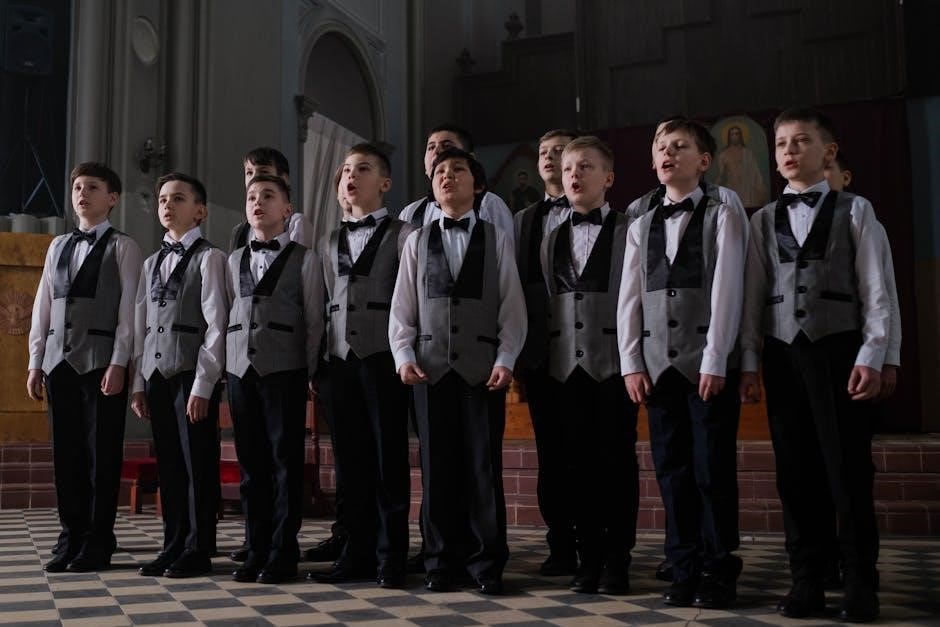
The meeting environment significantly influences initial behavior within the forming stage. It sets the tone for future interactions and models appropriate conduct for team members. A structured and supportive environment encourages open communication and participation, while a chaotic or intimidating setting can stifle engagement.
Mature team members often proactively model positive behaviors, even at this early stage, demonstrating professionalism and respect. Leaders play a crucial role in establishing a safe and inclusive space where individuals feel comfortable sharing ideas and asking questions. This initial atmosphere profoundly impacts the team’s trajectory.
Stage 2: Storming
During storming, conflicts emerge as team members voice opinions, leading to power struggles and the assignment of status within the group dynamic.
Conflict Emergence and Power Struggles
The storming stage is characterized by the emergence of conflict as team members begin to push against the boundaries established during the forming stage. This often manifests as disagreements over ideas, approaches, and even individual roles within the team.
Simultaneously, power struggles begin to surface as individuals attempt to establish their influence and status within the group. This isn’t necessarily negative; it’s a natural process of determining who will take on leadership roles and how decisions will be made.
These struggles can be uncomfortable, but they are crucial for the team to move forward. Successfully navigating this phase requires open communication, a willingness to compromise, and a focus on the overall team goals rather than individual agendas.
Identifying Individual Working Styles
As team members interact during the storming phase, distinct individual working styles become apparent; Observing how colleagues approach tasks, communicate ideas, and respond to challenges provides valuable insight into their preferences and strengths. Some may be direct and assertive, while others prefer a more collaborative and cautious approach.
Understanding these differences is critical for effective teamwork. Recognizing that varying styles aren’t necessarily “right” or “wrong,” but simply different, fosters empathy and reduces potential friction. This awareness allows the team to leverage each member’s unique contributions.
Acknowledging these styles helps in assigning tasks appropriately and building a more cohesive and productive working environment, ultimately moving the team towards the norming stage.
Establishing Status and Hierarchy
Within the storming stage, a natural process of establishing status and hierarchy begins to unfold. Team members subtly, and sometimes overtly, vie for positions of influence and recognition. This isn’t necessarily about formal authority, but rather perceived competence, experience, or assertiveness.
Power dynamics emerge as individuals test boundaries and attempt to define their roles within the group. Conflicts often arise as members challenge existing power structures or attempt to establish new ones. Understanding these dynamics is crucial for navigating the storming phase effectively.
Acknowledging this process, rather than suppressing it, allows the team to address underlying issues and establish a clear, mutually understood hierarchy based on merit and contribution.
Navigating Conflict in the Storming Phase
Conflict is inevitable during storming, stemming from differing opinions and competing perspectives. It’s vital to view this conflict not as a setback, but as an opportunity for growth and clarification. Encouraging open communication, where members can voice concerns respectfully, is paramount.
Facilitation, often by a leader, can help mediate disagreements and ensure all voices are heard. Active listening and a focus on understanding underlying needs, rather than simply defending positions, are key skills.
Successfully navigating this phase requires patience and a commitment to finding solutions that address the concerns of all team members, ultimately strengthening the group’s cohesion.
Stage 3: Norming
During norming, cohesion develops as conflicts resolve, building trust and a positive atmosphere where collaboration flourishes, establishing shared norms and expectations.
Development of Cohesion and Norms
As groups transition into the norming stage, a crucial shift occurs – the development of cohesion and the establishment of group norms. This phase signifies a move beyond individual agendas and towards a unified collective identity. Members begin to actively listen to each other, demonstrating respect for differing viewpoints and fostering a sense of camaraderie.
Shared norms emerge, defining acceptable behaviors, communication styles, and expectations for participation. These unwritten rules provide a framework for interaction, reducing ambiguity and promoting predictability. Consequently, members feel more comfortable expressing themselves and contributing their unique skills. This increased psychological safety is vital for effective collaboration and problem-solving, solidifying the group’s foundation for future success.
Resolution of Conflicts and Building Trust
The norming stage is characterized by the active resolution of conflicts that surfaced during the storming phase. Members, now more attuned to each other’s working styles and perspectives, demonstrate a willingness to compromise and find mutually acceptable solutions. This process isn’t about avoiding disagreement, but rather about constructively addressing it.
Successfully navigating these conflicts fosters a significant increase in trust. As individuals experience consistent respectful interactions and collaborative problem-solving, they develop confidence in their teammates’ reliability and intentions. This heightened trust creates a positive atmosphere where members feel safe taking risks and openly sharing ideas, ultimately strengthening the group’s cohesion and performance capabilities.
Clarification of Roles and Responsibilities
During the norming stage, a crucial aspect of development involves clearly defining each member’s role and responsibilities within the group. This isn’t about rigid assignment, but rather establishing a shared understanding of who contributes what to achieve collective goals. Discussions center on individual strengths, preferences, and how these align with the team’s needs.
This clarification minimizes ambiguity and overlap, reducing potential friction and maximizing efficiency. When everyone understands their specific contribution and how it integrates with others’, accountability increases, and the team operates with greater synergy. A well-defined structure empowers members to function more autonomously and confidently, fostering a collaborative spirit.
Positive Atmosphere and Collaboration
As the team progresses through the norming stage, a distinctly positive atmosphere begins to emerge. The earlier conflicts of the storming phase are resolved, replaced by a growing sense of trust and mutual respect. Members feel more comfortable expressing their ideas and opinions, knowing they will be heard and valued.
This fosters genuine collaboration, where individuals willingly support each other and work together towards shared objectives. Polite interactions become the norm, and a spirit of camaraderie develops. The team functions as a cohesive unit, leveraging the diverse skills and perspectives of its members to achieve optimal results, building a strong foundation.

Stage 4: Performing
The performing stage signifies high performance, efficiency, and autonomous functioning, with a dedicated focus on achieving goals through effective communication and collaboration.
High Performance and Efficiency
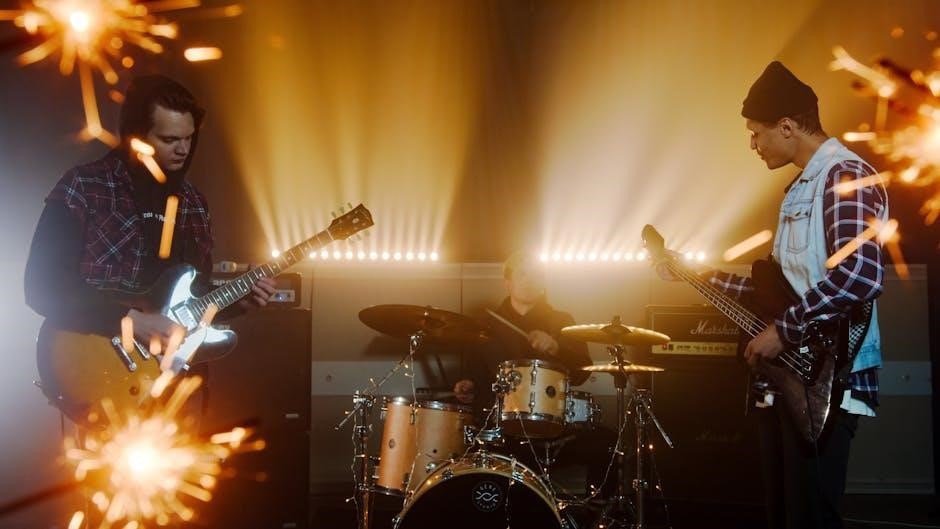
During the performing stage, teams operate at their peak, demonstrating a remarkable level of efficiency and productivity. Members are highly motivated, competent, and capable of handling complex tasks with minimal supervision. This stage is characterized by a strong sense of shared purpose and a commitment to achieving collective goals.
Individuals readily take on responsibilities, contribute their expertise, and proactively solve problems. Collaboration is seamless, and communication flows freely, fostering a positive and productive work environment. The team’s focus remains steadfastly on goal attainment, and they consistently deliver high-quality results. This represents the culmination of the team’s developmental journey, showcasing its full potential.
Autonomous Functioning and Problem Solving
In the performing stage, teams exhibit a high degree of autonomy, functioning effectively with limited external guidance. Members confidently tackle challenges and proactively identify solutions, demonstrating exceptional problem-solving skills. This self-reliance stems from established trust, clear roles, and a shared understanding of objectives.
The team doesn’t require constant direction; instead, they independently manage tasks, adapt to changing circumstances, and make informed decisions. They are adept at anticipating potential issues and implementing preventative measures; This autonomous functioning allows for increased agility, innovation, and overall team effectiveness, driving consistent success.
Focus on Goal Achievement
The performing stage is characterized by an unwavering focus on achieving established goals. The team operates with a clear sense of purpose, channeling their energy and resources towards delivering tangible results. Prioritization becomes streamlined, and efforts are aligned to maximize efficiency and impact.
Distractions are minimized as members remain committed to the overarching objectives. Progress is continuously monitored, and adjustments are made as needed to stay on track. This dedication to goal achievement fosters a sense of collective responsibility and motivates the team to consistently exceed expectations, ultimately driving success.
Effective Communication and Collaboration
Within the performing stage, communication flows openly and efficiently, fostering seamless collaboration. Team members confidently share ideas, provide constructive feedback, and actively listen to one another. This transparent exchange of information minimizes misunderstandings and accelerates problem-solving.
Collaboration is characterized by mutual respect, shared responsibility, and a willingness to leverage each member’s strengths. Individuals readily support each other, contributing their expertise to achieve common goals. This synergistic environment maximizes creativity, innovation, and overall team performance, leading to exceptional outcomes.
Stage 5: Adjourning (Added Later)
Adjourning involves completing tasks, acknowledging achievements, and navigating emotional responses as the group dissolves, applying learned lessons to future endeavors.
Completion of Tasks and Project Closure
The adjourning stage marks the culmination of the group’s efforts, signifying the completion of assigned tasks and the formal closure of the project. This phase isn’t simply about finishing work; it’s about a deliberate winding down process. Responsibilities are delegated, loose ends are tied, and documentation is finalized to ensure a smooth handover or transition.
It’s a time for assessing what has been accomplished, archiving relevant materials, and formally disbanding the team structure. Successful project closure involves not only meeting the initial objectives but also ensuring that all stakeholders are informed and satisfied with the outcome. This stage prepares the organization for future initiatives, building upon the experiences and knowledge gained.
Emotional Responses to Group Dissolution
The adjourning stage often evokes a range of emotional responses from group members. Feelings of accomplishment and pride in shared successes are common, but these can be intertwined with sadness or anxiety about the loss of camaraderie and routine. Some individuals may experience a sense of detachment, while others grapple with uncertainty about future collaborations.
Acknowledging and validating these emotions is crucial for healthy closure. Providing opportunities for reflection and farewells can help members process their experiences and maintain positive relationships. Recognizing individual contributions and celebrating achievements fosters a sense of closure and allows everyone to move forward with a positive outlook.
Recognition and Celebration of Achievements
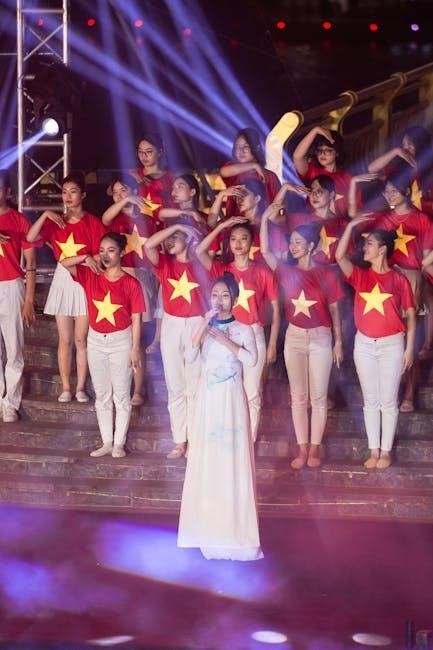
Successfully completing a project or reaching the adjourning stage warrants dedicated recognition and celebration of the group’s accomplishments. This isn’t merely about acknowledging the final outcome, but also appreciating the journey, the challenges overcome, and the individual contributions made throughout the process.
Formal celebrations, such as team lunches or awards, can be effective, but even simple acknowledgements – a heartfelt thank you, a shared reflection on lessons learned – can significantly boost morale. Celebrating reinforces positive team dynamics and provides a sense of closure, solidifying the value of the collaborative experience for all involved.
Lessons Learned and Future Applications
The adjourning phase provides a crucial opportunity for reflection and documentation of lessons learned. Analyzing what worked well, what didn’t, and identifying areas for improvement is vital for future team endeavors. This retrospective analysis should encompass not only task-related outcomes but also the interpersonal dynamics experienced throughout the group’s lifecycle.
These insights can be formalized into best practices or guidelines, informing future team formations and project management strategies. Applying the understanding gained from Tuckman’s model allows organizations to proactively navigate group development, fostering more effective collaboration and ultimately, better results in subsequent projects.
Criticisms and Limitations of the Model
While influential, Tuckman’s model isn’t universally applicable; contextual factors, non-linear progression, and cultural influences can significantly alter group development pathways.
Contextual Factors and Variations
The application of Tuckman’s model isn’t uniform across all scenarios. External pressures, organizational culture, and the nature of the task itself introduce significant variations. A team facing a critical deadline might bypass extended ‘storming’ phases, accelerating directly towards ‘performing’. Conversely, groups with ambiguous goals may linger in ‘forming’ or repeatedly cycle between ‘storming’ and ‘norming’.
Furthermore, the composition of the group – diversity of skills, experience levels, and personality types – impacts the developmental trajectory. Highly experienced teams may require less time in initial stages, while newly formed groups with diverse backgrounds might encounter prolonged conflict. Recognizing these contextual nuances is crucial for effective leadership and intervention.
Linearity vs. Non-Linearity of Stages
While Tuckman’s model presents stages as sequential, real-world group development is often non-linear. Teams may regress to earlier stages when facing new challenges or experiencing member changes. For example, a team in ‘performing’ could revert to ‘storming’ with the introduction of a new project or a conflict between members.
This cyclical pattern highlights the dynamic nature of group interaction. Effective teams don’t simply ‘complete’ a stage and move on; they revisit and renegotiate norms and roles as circumstances evolve. Understanding this non-linearity allows leaders to anticipate setbacks and proactively address emerging issues, fostering continuous improvement.
Cultural Influences on Group Development
Cultural norms significantly impact how groups navigate Tuckman’s stages. Collectivist cultures, prioritizing harmony, might spend more time in the ‘forming’ and ‘norming’ phases, emphasizing relationship building before task completion. Conversely, individualistic cultures may accelerate through these stages, focusing quickly on performance.
Communication styles also vary; directness versus indirectness influences conflict expression in the ‘storming’ phase. Hierarchical cultures may exhibit more defined status dynamics, impacting role establishment. Recognizing these cultural nuances is crucial for effective team leadership and fostering inclusive environments where all members can contribute.

Applications of Tuckman’s Model
This model aids team building, leadership training, group therapy, and organizational change by providing a framework to understand and manage group dynamics effectively.
Team Building and Leadership Development
Tuckman’s stages offer invaluable insights for team building and leadership development initiatives. Recognizing a team’s current stage allows leaders to tailor interventions appropriately. For instance, during ‘Forming’, leaders should focus on clarity of goals and roles, fostering a safe environment for initial contributions.
In ‘Storming’, leadership requires skillful conflict resolution and facilitation of open communication to navigate power struggles. ‘Norming’ benefits from reinforcing collaborative behaviors and celebrating emerging cohesion. Finally, ‘Performing’ demands empowering the team with autonomy and providing support for continued high performance.
Understanding these dynamics enables leaders to proactively guide teams toward optimal functionality and achieve desired outcomes, ultimately enhancing overall team effectiveness and individual growth.
Group Therapy and Counseling
Tuckman’s model provides a powerful framework for understanding the process dynamics inherent in group therapy and counseling settings. Therapists can anticipate and effectively manage the predictable stages of development within a group. ‘Forming’ often presents with cautiousness and testing boundaries, requiring a supportive and normalizing approach.
‘Storming’ may manifest as interpersonal conflict or resistance, offering opportunities for exploring underlying issues and developing communication skills. Facilitating ‘Norming’ involves establishing group norms and fostering trust.
Ultimately, reaching ‘Performing’ signifies a cohesive group capable of deep exploration and mutual support. Recognizing these stages allows therapists to optimize the therapeutic process and facilitate meaningful change for group members.
Organizational Development and Change Management
Tuckman’s stages offer valuable insights for navigating organizational development and change initiatives. When implementing new structures or processes, understanding group dynamics is crucial for success. Initial ‘Forming’ may involve uncertainty and a need for clear direction from leadership.
Anticipating ‘Storming’ – potential resistance and conflict – allows for proactive conflict resolution strategies. Facilitating ‘Norming’ builds buy-in and shared understanding of new norms.
Reaching ‘Performing’ signifies a team effectively operating within the changed environment, achieving goals with increased efficiency. Recognizing these stages enables leaders to manage transitions smoothly and maximize team performance during periods of organizational change.