Managing pancreatitis often begins with a clear, printable diet plan․ A PDF guide offers structured meals, portion control, and easy reference for patients and caregivers․ It simplifies meal prep, reduces confusion, and supports recovery․ It also helps track nutrients and stay on schedule․daily․
Why a Printable Diet Matters
A printable diet plan transforms the complex nutritional landscape of pancreatitis into a simple, accessible tool․ By condensing guidelines into a single, downloadable PDF, patients can quickly reference calorie limits, fat thresholds, and meal timing without flipping through multiple pages or consulting a device․
Consistency is key in pancreatitis care․ A printed sheet provides a stable reference that does not change with software updates or internet connectivity issues․ It ensures that the same portions, macros, and food substitutions are applied day after day, fostering adherence and preventing accidental over‑fat intake․ The visual layout also aids in portion control, as clear measurements and suggested serving sizes are displayed alongside each item․
For caregivers and family members, a printable guide serves as a shared resource․ It eliminates the need to memorize or re‑type instructions, reducing the risk of errors․ The document can be laminated or placed in a visible spot, encouraging routine checks and reinforcing healthy habits;
Finally, a printable diet empowers patients to take ownership of their recovery․ By having a tangible reference, individuals can track their progress, note which foods feel tolerable, and communicate observations during follow‑up visits․․․․
Understanding Pancreatitis
Pancreatitis is inflammation of the pancreas, disrupting digestive enzyme production․ It can be acute or chronic, triggered by gallstones, alcohol, or genetics․ Symptoms include abdominal pain, nausea, and elevated enzymes, requiring careful diet management․!!!
Types and Symptoms
Pancreatitis manifests in two primary forms: acute and chronic․ Acute episodes arise suddenly, often from gallstones, excessive alcohol, or certain medications․ Symptoms include sudden, severe, upper abdominal pain that may radiate to the back, nausea, vomiting, and a rapid heartbeat․ Blood tests reveal elevated amylase and lipase levels, confirming inflammation․ Chronic pancreatitis develops gradually, usually due to long‑term alcohol abuse or genetic predisposition․ The pain is persistent, dull, and can worsen after eating․ Patients may experience weight loss, steatorrhea (fatty stools), and a general sense of fatigue․ Both types can lead to malabsorption, diabetes, and complications like pseudocysts or ductal obstruction․ Early recognition of pain patterns, digestive disturbances, and laboratory markers is crucial for timely intervention and dietary adjustments․ A printable diet PDF can guide patients in managing these symptoms by offering tailored meal plans that reduce pancreatic workload and support healing․ By monitoring symptom severity and adjusting the diet accordingly, individuals can mitigate flare‑ups and improve quality of life․
Both acute and chronic forms can coexist, and patients may experience overlapping symptoms such as persistent abdominal discomfort, altered bowel habits, and metabolic disturbances․ Recognizing these patterns early helps tailor treatment and dietary strategies for better outcomes․ Early intervention helps today
Nutritional Goals for Pancreatitis Patients
Patients aim for low-fat, high-protein, moderate-carb meals to ease pancreatic digestion; Adequate calories, small frequent servings, and hydration support healing․ A printable PDF offers clear portions, nutrient charts, and meal timing tips․Now

Macronutrient Breakdown
Pancreatitis patients require a carefully balanced macronutrient profile to support healing while minimizing pancreatic stress․ The printable diet PDF outlines a clear framework: protein should constitute roughly 25–30 % of daily calories, focusing on lean sources such as skin‑less poultry, fish, eggs, and plant proteins like lentils and tofu․ These proteins provide essential amino acids without excessive fat, aiding tissue repair and maintaining muscle mass․ Carbohydrates should make up about 45–50 % of intake, prioritizing complex, low‑glycemic options․ Whole grains, oats, quinoa, and starchy vegetables like sweet potatoes deliver sustained energy and fiber, which helps regulate digestion․ Simple sugars and refined grains are limited to reduce spikes in blood glucose and avoid irritating the pancreas․ The goal is to keep total fat below 15 % of calories, with a focus on healthy unsaturated fats․ The printable PDF provides portion sizes and lists acceptable fats, ensuring patients stay within safe limits while still enjoying flavorful meals!! By presenting macronutrient targets in a simple, visual layout, the PDF empowers individuals to make informed choices, reduce pancreatic workload, and promote recovery; Regular review with a dietitian can refine the plan, ensuring it remains aligned with medical guidance and personal preferences․

Features of the Printable Diet PDF
The PDF offers a clean layout, customizable templates, and clear macros․ It includes a meal calendar, shopping list, and portion guides․ Users can adjust colors, fonts, and add notes․ The design supports quick reference, making daily meal planning simple and stress‑free․ Use daily for best care․
Template Design & Customization
The printable diet PDF features a modular template that adapts to each user’s needs․ Each page contains a header with the date, a brief caloric goal, and a two‑column grid: one side lists foods, the other shows portion sizes in grams or ounces․ This clear layout lets patients quickly match suggested servings to actual intake․
Customization is simple․ Click any cell to replace the default text with your own meal choices․ The PDF accepts text and images, so you can embed a photo of a freshly cooked dish next to the ingredient list․ Color‑coded palettes highlight low‑fat, high‑protein, and carb‑rich options for instant visual cues․
The template offers a collapsible weekly view with checkboxes for each meal․ Patients can tick completed meals, track adherence, and spot patterns that may trigger flare‑ups․ A dedicated notes section at the bottom of each page lets users record symptoms, medication times, or adjustments made during the day․
Accessibility is built in: a sans‑serif font at 11‑point size, high‑contrast color options, and a “notes” area for screen readers․ The template auto‑adjusts for low‑fat or low‑sugar diets, recalculating macros so the plan stays balanced while respecting medical constraints․
The PDF also integrates a printable checklist, a printable shopping list, and a macro calculator․ Users can print the entire week or individual days, and the file is compatible with both Windows and Mac printers․ The design ensures that even those with limited tech skills can navigate the layout effortlessly․ Enjoy․
How to Use the PDF Effectively
Print the weekly sheet, fill in meals, check portions, and tick completed items․ Use the notes section for symptoms․ Review daily intake against goals, adjust portions, and keep the file updated for the next week․ Share with your dietitian for feedback․ Enjoy!․
Step-by-Step Instructions
Begin by printing the PDF on a high‑quality sheet to ensure clarity․ Locate the meal slots for breakfast, lunch, dinner, and snacks․ Use the portion guide to decide amounts․ Write each food item in the designated box, leaving space for notes on how you feel after eating․ Daily, tick the “Completed” box next to each meal․ If a symptom arises, jot it in the notes column․ At the end of the week, review all entries, compare them to your nutritional targets, adjust portion sizes food choices accordingly․ Share the annotated PDF with your healthcare provider during follow‑up visits for personalized feedback․ Finally, recycle or store the document securely for future reference․ To keep the plan organized, color‑code each meal type: blue for breakfast, green for lunch, orange for dinner, and purple for snacks․ Use a sticky note to mark any adjustments you plan to make for the next week․ When traveling, bring a copy of the PDF in a pocket folder to reference meals on the go․ If you have a kitchen assistant, share the PDF with them and help prepare balanced dishes․ Finally, set a weekly reminder on your phone to review the completed meals and update the PDF before the next printing session․ Remember to hydrate adequately; aim for 1․5 to 2 liters of water daily, unless contraindicated․ Also, consider incorporating a small protein shake after meals if tolerated, to support pancreatic rest․ Keep a journal of mood and energy levels, as these can signal how well the diet is working․ Adjust the plan quarterly․
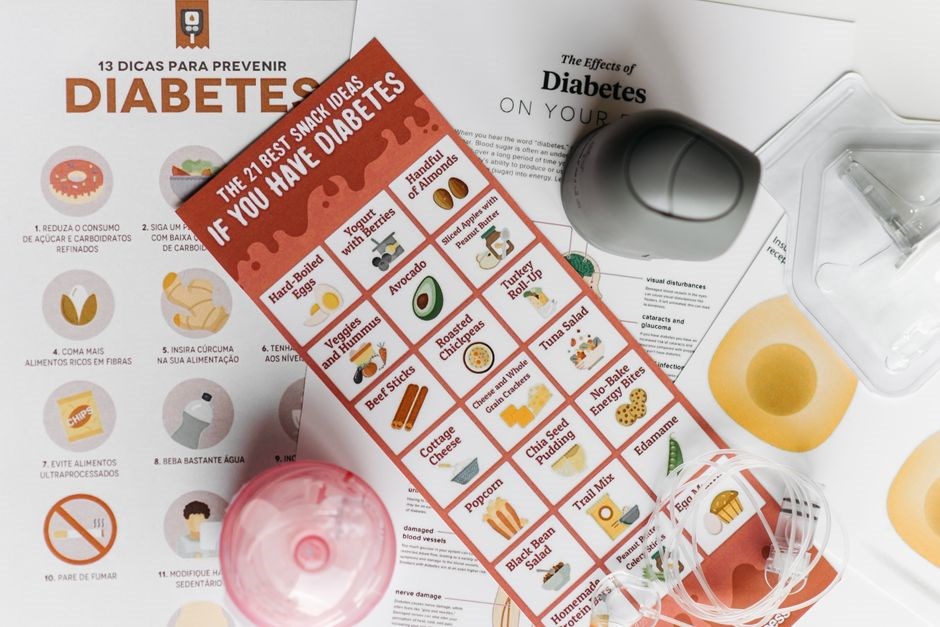
Sample Printable Meal Plan
Breakfast: oatmeal with berries, 1 tbsp honey, low‑fat milk․ Lunch: grilled chicken, steamed broccoli, quinoa․ Dinner: baked cod, mashed sweet potato, sautéed spinach․ Snacks: apple slices, almond butter, herbal tea․ Adjust portions as needed․ Enjoy balanced meals
Breakfast, Lunch, Dinner Examples
Below are balanced, pancreas‑friendly options that keep fat low and protein moderate․ Each meal is designed to provide gentle digestion, steady energy, and essential micronutrients while avoiding triggers․
- Breakfast: Cream‑free oatmeal topped with sliced strawberries, a drizzle of maple syrup, and a sprinkle of chia seeds․ Pair with a small glass of fortified soy milk․
- Lunch: Herb‑marinated baked chicken breast served over a bed of wild rice, accompanied by steamed carrots and zucchini․ Finish with a side of low‑fat yogurt for probiotics․
- Dinner: Poached cod fillet with lemon‑herb seasoning, a side of mashed cauliflower, and sautéed spinach with garlic․ Add a slice of whole‑grain toast for complex carbs․
Snack ideas: apple slices with almond butter, rice crackers with hummus, or a small bowl of mixed berries․ Hydration is key—opt for water, herbal teas, or diluted fruit juices․ Adjust portion sizes to meet individual calorie needs and consult a dietitian for personalized tweaks․
For those who prefer a lighter option, try a tofu scramble with spinach, mushrooms, and a sprinkle of nutritional yeast, served with a slice of whole‑grain toast․ Alternatively, a lentil soup enriched with carrots, celery, and a dash of cumin offers a comforting, low‑fat meal․ Remember to keep portions moderate and avoid added sugars․
Always check with your provider before changing diet now․
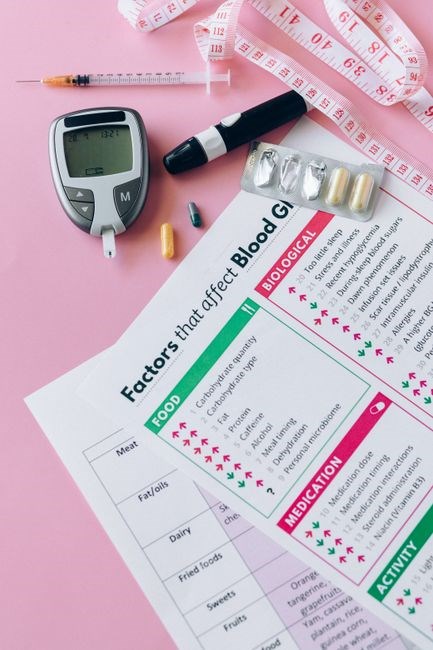
Grocery and Shopping Tips
Shop for fresh, low‑fat proteins like skinless chicken, turkey, and fish․ Choose whole grains, legumes, and steamed vegetables․ Keep a list of pancreas‑friendly staples, avoid fried items, and read labels for hidden fats․ Store items in a cool, dry place․ Shop soon․
Pancreas-Friendly Foods
When designing a printable diet for pancreatitis, selecting foods that are gentle on the pancreas is essential․ Focus on low‑fat, high‑fiber options that provide sustained energy without triggering inflammation․ Below are key categories and examples that can be incorporated into a daily meal plan․
- Lean Proteins: Skinless poultry, fish, and plant‑based proteins such as lentils and tofu․ These sources are low in saturated fat and help maintain muscle mass․
- Complex Carbohydrates: Whole grains like quinoa, brown rice, and oats․ They release glucose slowly, preventing spikes that can stress the pancreas․
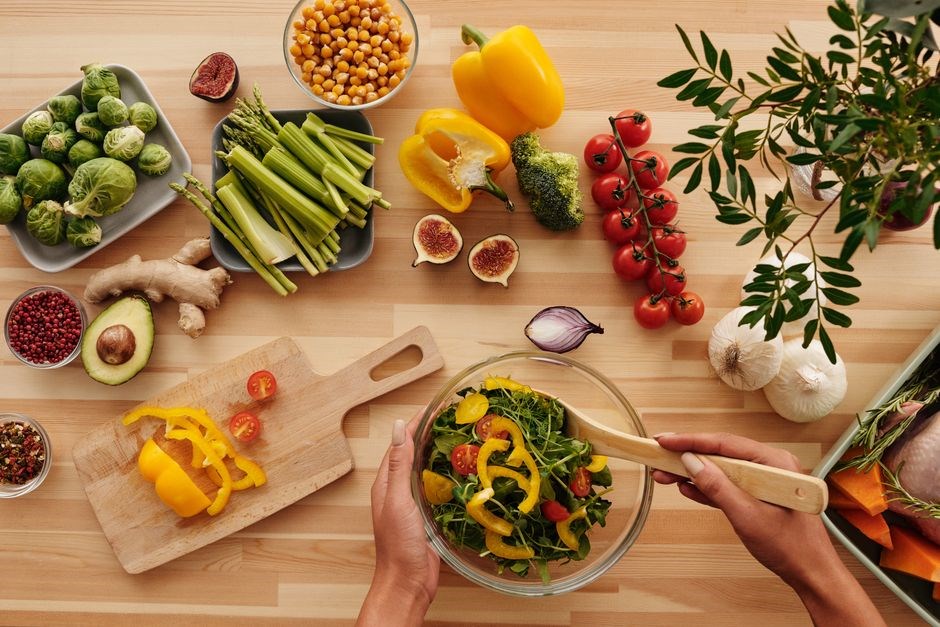
- Non‑Starchy Vegetables: Broccoli, spinach, zucchini, bell peppers, and cauliflower․ These vegetables are rich in vitamins, minerals, and antioxidants while being low in fat․
- Low‑Fat Dairy Alternatives: Unsweetened almond milk, soy yogurt, and lactose‑free options․ They provide calcium without excess saturated fat․
When shopping, look for products labeled “low‑fat” or “reduced‑fat․” Avoid processed meats, fried items, and foods high in added sugars․ Keep a grocery list that prioritizes fresh produce, lean proteins, and whole grains․ Portion control is vital; a printable diet sheet can help track servings and maintain a balanced intake․ By consistently choosing pancreas‑friendly foods, patients can reduce discomfort, support healing, health !!
Frequently Asked Questions
Below are common questions about using a printable diet plan for pancreatitis․ Each answer offers practical guidance for patients, caregivers, and healthcare providers․
- How does a printable diet help? A PDF provides a clear, step‑by‑step meal schedule, portion sizes, and ingredient lists, making it easier to avoid high‑fat triggers and maintain consistent nutrition․
- Can I customize the PDF? Yes․ A PDF provides a step‑by‑step meal schedule, portion sizes, and ingredient lists that can be edited to fit personal preferences or dietary restrictions․
- What if I have a food allergy? Replace the offending ingredient with an equivalent low‑fat, pancreas‑friendly option․ The template’s editable fields make substitutions straightforward․
Remember to hydrate and avoid alcohol during recovery daily!
- How often should I update the plan? Review the diet every 4–6 weeks or after any change in symptoms, medication, or weight․ Adjust portions or food choices accordingly․
- Is the PDF suitable for children? With appropriate portion adjustments, the layout works for all ages․ Consult a pediatric dietitian for specific caloric needs․
- Can I share the PDF with my doctor? Absolutely․ The document can be printed or emailed, allowing clinicians to review and recommend modifications․
- What if I need to eat out? Use the meal‑planning sections as a guide: choose low‑fat proteins, steamed or baked vegetables, and whole‑grain sides․ Avoid fried or creamy sauces․
- How do I keep track of progress? Pair the PDF with a simple log: note meals, symptoms, and weight changes․ This data helps refine the plan over time․
For additional support, consider joining a support group or consulting a registered dietitian who specializes in pancreatitis management․