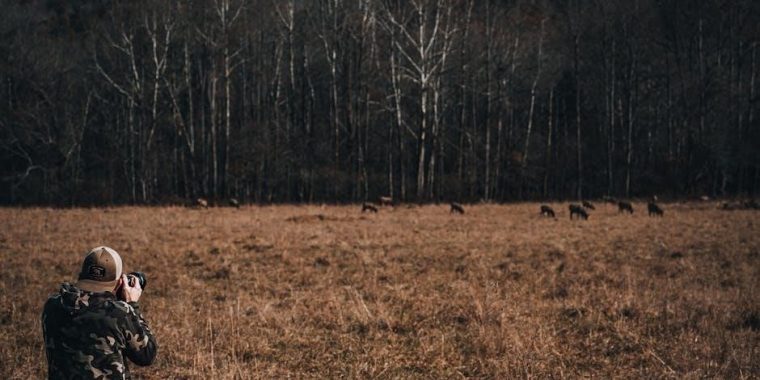
Understanding Hunting Guide Tipping Etiquette
Determining a fair tip for your hunting guide involves considering several factors, reflecting their service and the hunt’s overall success, ensuring gratitude.
The Importance of Tipping Your Hunting Guide
Tipping your hunting guide isn’t merely customary; it’s a significant acknowledgment of their expertise, dedication, and hard work throughout your experience. These professionals often invest considerable time and effort in scouting, preparation, and ensuring a safe and enjoyable hunt.
A generous tip demonstrates your appreciation for their knowledge of the terrain, animal behavior, and commitment to your success. It also reflects positively on the hunting community, encouraging continued professionalism and exceptional service. Remember, guiding is often a seasonal profession, and tips can substantially supplement their income.
Factors Influencing Tip Amount
Several key elements shape appropriate tip amounts, including hunt success, guide quality, duration, and the overall cost of your hunting adventure.
Success of the Hunt
The ultimate outcome of your hunt significantly impacts tipping expectations. A successful hunt, resulting in a harvested animal, generally warrants a higher tip than one where game isn’t taken. However, success isn’t solely about bagging an animal; it encompasses the guide’s effort and expertise in creating opportunities.
Even with challenging conditions or wary game, a guide demonstrating exceptional skill and dedication deserves recognition. Consider whether the guide put you on game consistently, provided excellent shot opportunities, and skillfully navigated the terrain. A truly memorable and productive hunt justifies a generous tip, reflecting the value of the experience.
Quality of the Guide’s Service
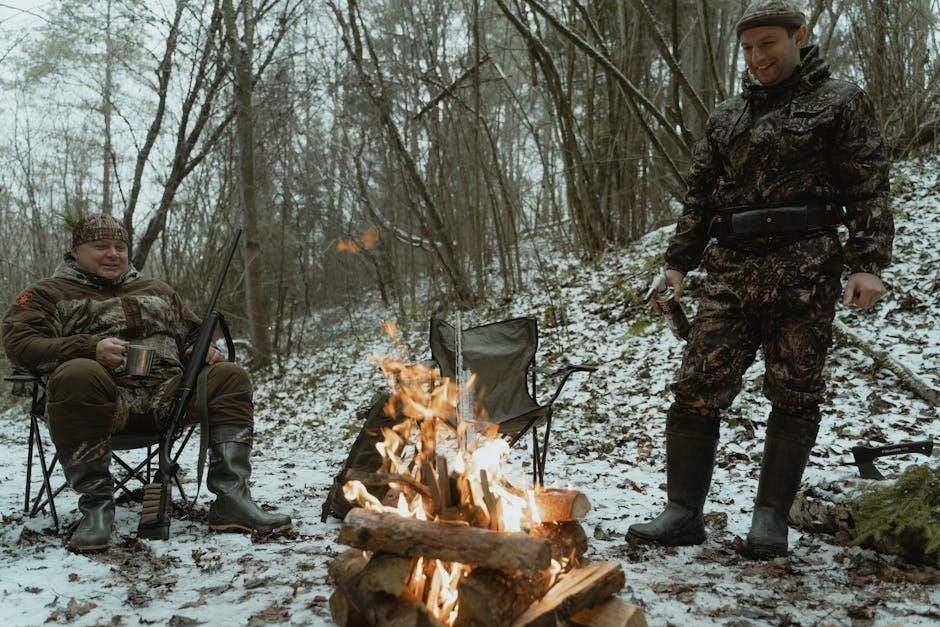
Beyond a successful harvest, assess the overall quality of service provided. Was the guide knowledgeable, professional, and attentive to your needs? Did they prioritize safety, explain the hunting strategy clearly, and offer helpful advice? Exceptional guides go above and beyond, providing a personalized and enjoyable experience.
Consider their communication skills, patience, and willingness to accommodate your skill level. A guide who anticipates your needs, maintains a positive attitude, and demonstrates genuine passion for hunting deserves a higher tip. Excellent service elevates the entire hunt, making it truly memorable and worthwhile.
Length of the Hunt
The duration of your hunt significantly impacts tipping expectations. A single-day hunt typically warrants a smaller tip than a multi-day expedition requiring extensive guide effort. Longer hunts demand more of the guide’s time, expertise, and commitment to your success and comfort.
Consider the cumulative value of their services over the entire trip. A week-long hunt necessitates a more substantial gratuity than a quick afternoon outing. Daily rates, if applicable, should also be factored into your overall tipping calculation, acknowledging the sustained effort provided throughout the extended hunting period.
Cost of the Hunt
Generally, the overall cost of the hunt serves as a guideline for determining an appropriate tip amount. More expensive hunts often justify higher gratuities, reflecting the premium services and resources involved. A higher-priced package usually indicates a greater investment from the outfitter and guide, warranting commensurate recognition.
However, cost shouldn’t be the sole determinant. Exceptional service should always be rewarded, regardless of the initial price. Consider the value received relative to the expense, and adjust your tip accordingly, ensuring fairness and appreciation for the guide’s dedication.
Typical Tipping Ranges
Common tipping practices suggest 10-20% of the total hunt cost, or $50-$200+ per hunter, per day, based on service quality and hunt success.
Standard Tip Percentages
Generally, a 10-15% tip on the total hunt package price is considered standard for satisfactory service. Exceptional guides, demonstrating extensive knowledge, going above and beyond, or leading to a particularly successful hunt, warrant a tip closer to 20% or even higher; Remember that these percentages are guidelines, and individual circumstances should always be considered. Factors like the guide’s helpfulness, attitude, and overall contribution to a positive experience should influence your final decision. Don’t hesitate to adjust the percentage upwards for truly outstanding service, showing your appreciation for their dedication and expertise.
Daily Rate Considerations
For hunts billed at a daily rate, a tip of $50-$100 per day, per hunter, is a common practice for good service. Again, this is a baseline; exceeding expectations justifies a higher amount. Consider the guide’s effort in scouting, preparing, and ensuring a safe and enjoyable experience. If the guide provides exceptional game spotting or assists significantly with packing and field dressing, a larger tip is appropriate. Remember, daily rates often don’t fully reflect the guide’s long hours and dedication, making a generous tip a thoughtful gesture of gratitude.
Multi-Day Hunt Tipping
With multi-day hunts, you have a couple of options for tipping. You can tip a cumulative amount at the end of the hunt, based on the overall experience, or provide a daily tip as described previously. A common approach is to tip 10-20% of the total hunt cost, again adjusting based on service quality and success. For exceptional hunts, exceeding 20% demonstrates significant appreciation. Consider the guide’s consistency throughout the entire duration, not just a single successful day, when determining the final amount.
Breaking Down Tipping by Hunt Type
Tipping amounts can vary based on the specific hunt; big game often warrants higher tips than bird hunts, reflecting effort and expense involved.
Big Game Hunts (Deer, Elk, Bear)
For demanding big game hunts – deer, elk, or bear – guides often dedicate significant time to scouting, packing, and ensuring a successful, ethical harvest. A standard tip typically falls between 10-20% of the total hunt cost, but exceptional service justifies exceeding this range. Consider a minimum of $200-$300 per hunter for a multi-day hunt, increasing substantially for challenging terrain or exceptional trophy quality. If the guide goes above and beyond, securing a prized animal or handling difficult situations with expertise, a larger gratuity is highly appreciated. Remember, these hunts are physically and mentally taxing for the guide.
Upland Bird Hunts
Upland bird hunts, while often less expensive than big game hunts, still warrant a generous tip for your guide’s expertise in locating birds and managing dogs. A typical tip ranges from $75-$150 per day, per hunter, depending on the quality of the hunting and the guide’s overall performance. Guides expertly handle pointing and flushing dogs, navigate terrain, and ensure a safe and enjoyable experience. Exceptional dog work, consistent bird finds, and a positive attitude deserve a higher gratuity. Consider a total tip of 10-15% of the hunt package cost as a solid benchmark.
Waterfowl Hunts
Waterfowl hunts frequently involve significant effort in setting up decoys, scouting locations, and retrieving birds, often in challenging conditions. A customary tip for a waterfowl guide falls within the $100-$200 per day, per hunter range, influenced by the hunt’s success and the guide’s dedication. Guides expertly call birds, manage dogs, and ensure a safe shooting environment. Exceptional calling skills, abundant bird activity, and a willingness to customize the hunt justify a higher tip. Aim for a 15-20% gratuity on the total hunt cost for outstanding service.
Fishing/Hunting Combo Trips
Combo trips demand versatility from guides, requiring expertise in both angling and hunting techniques. Tipping becomes nuanced, often involving separate gratuities for each discipline, or a combined tip reflecting overall satisfaction. A reasonable approach is to tip each guide individually based on their performance – $100-$200 per day for hunting, and a similar range for fishing. Alternatively, calculate 15-20% of the total package cost, allocating portions based on time spent on each activity. Exceptional service across both domains warrants generous recognition.
Additional Considerations for Tipping
Beyond basic factors, a guide’s dedication, local knowledge, and willingness to personalize your experience deserve recognition through a thoughtful and appropriate tip.
Guide’s Experience and Expertise
A seasoned guide possessing extensive knowledge of the hunting area, animal behavior, and successful tracking techniques warrants a higher tip. Their expertise significantly increases your chances of a rewarding hunt, often going above and beyond standard duties. Consider the guide’s certifications, years of experience, and demonstrated ability to adapt to challenging conditions. Guides who consistently deliver exceptional results, showcasing a deep understanding of their craft, deserve generous compensation for their invaluable skills. Recognizing their proficiency elevates the overall hunting experience and acknowledges their professional commitment to your success.
Personalized Service and Attention
Exceptional guides tailor the hunt to your specific skill level and preferences, providing individualized instruction and support. They prioritize your comfort and safety, anticipating needs and offering proactive assistance throughout the experience. A guide who demonstrates genuine enthusiasm, patience, and a willingness to go the extra mile deserves recognition. Consider tipping generously if they’ve accommodated special requests, adapted to unforeseen circumstances, or created a truly memorable and personalized hunting adventure. This acknowledges their dedication to exceeding expectations and fostering a positive experience.
Accommodation and Meals Provided
If your hunting package includes lodging and meals, factor this into your tipping decision. While tips aren’t expected for standard service, exceptional hospitality warrants additional gratitude. A guide who prepares delicious meals, maintains a clean and comfortable camp, or provides luxurious accommodations deserves recognition. Consider a separate tip for the cook or housekeeping staff if applicable. If meals are basic or self-catered, a smaller tip is appropriate. Ultimately, assess the quality and convenience of the provided amenities when determining a suitable gratuity amount.
How to Present the Tip
Presenting the tip is best done discreetly in cash or check at the hunt’s conclusion, expressing sincere appreciation for the guide’s dedicated efforts.
Cash vs. Check
When deciding between cash and a check for your hunting guide tip, consider practicality and the guide’s potential needs. Cash offers immediate access to the gratuity, allowing them to utilize it promptly for personal expenses or immediate needs during travel. A check, while secure, requires processing time and a bank account.
For remote hunts or situations where the guide might not have immediate access to banking facilities, cash is generally preferred. However, a check provides a clear record of the tip amount for both parties. Ultimately, the choice depends on your preference and the specific circumstances of the hunt, but cash is often the most appreciated method.
Tipping at the End of the Hunt
The customary practice is to present your hunting guide tip at the conclusion of the hunt, ideally during a final wrap-up or farewell. This allows you to express your gratitude directly after experiencing their service and assessing the overall hunt quality. Waiting until the end ensures you’ve had a complete picture of their performance.
Avoid offering a tip prematurely, as it might seem presumptuous. A heartfelt thank you alongside the gratuity demonstrates genuine appreciation. This timing also allows for a smooth and respectful exchange, solidifying a positive relationship with your guide and potentially encouraging future opportunities.
Splitting the Tip (Multiple Guides)
When multiple guides contribute to your hunt’s success, fairly dividing the tip is essential. A common approach is to allocate the gratuity based on each guide’s level of involvement and direct assistance. Consider who spent the most time with you, provided crucial expertise, or went above and beyond.
Discussing the split with the head guide beforehand can prevent awkwardness. Alternatively, you can ask them to distribute the tip amongst the team according to their contributions. Transparency and open communication ensure everyone feels appropriately recognized for their efforts, fostering a positive experience.
Covering Guide Expenses
While tipping is customary, understand that it’s separate from covering legitimate guide expenses. These can include meals, lodging during the hunt (if not fully included in the package), and transportation costs beyond what’s pre-arranged. Clarify what expenses are your responsibility upfront to avoid confusion.
Offering to cover a guide’s meal or a small incidental expense is a thoughtful gesture, but shouldn’t replace a standard tip. Think of the tip as rewarding service, and expense coverage as contributing to the logistical costs of the hunt. Both demonstrate appreciation in different ways.
Gratuity Included in Package
Carefully review your hunting package details to determine if gratuity is already included. Some outfitters automatically add a service fee or gratuity, often outlined in the contract. If so, additional tipping isn’t necessarily expected, though a small bonus for exceptional service is always appreciated.
If a gratuity is included, understand its percentage and how it’s distributed amongst the guiding staff; Confirm whether it covers all guides involved or only the primary guide. Clarifying this upfront prevents awkwardness and ensures fair compensation for everyone contributing to your hunt’s success.
Regional Variations in Tipping
Tipping practices can differ geographically; Western US hunts often lean towards higher tips, while Southern and Midwestern regions may have more moderate expectations.
Western US Hunting
In the Western United States, where hunting often takes place in remote and challenging terrain, guiding services are highly valued, and consequently, tipping expectations are generally higher. A standard tip for a successful multi-day big game hunt, such as deer or elk, typically falls within the 15-20% range of the total hunt cost. For exceptional service, exceeding expectations in terms of game spotting, knowledge, and overall experience, exceeding 20% is not uncommon.
Daily rate considerations for shorter hunts usually involve a $100-$300 per day tip, adjusted based on the quality of the hunt and the guide’s performance. Remember that guides in this region often work incredibly hard, navigating difficult landscapes and ensuring client safety, making a generous tip a customary show of appreciation.
Southern US Hunting
Hunting in the Southern United States, particularly for species like wild boar, turkey, or deer on managed properties, often involves a slightly different tipping culture compared to the West. While excellent service always warrants a generous tip, the typical range tends to be a bit more conservative, generally falling between 10-15% of the total hunt cost.
For daily rate hunts, a $75-$150 per day tip is considered appropriate, again, contingent on the guide’s expertise and the overall hunting experience. Southern hospitality is prevalent, and a sincere thank you, alongside a thoughtful tip, is greatly appreciated by the guides.
Midwestern US Hunting
Midwestern hunting, frequently focused on waterfowl, upland birds, or whitetail deer, often features a practical approach to tipping. Guides in states like Iowa, Minnesota, and Wisconsin generally appreciate a tip reflecting their effort and knowledge. A standard tip falls within the 10-20% range of the total hunt package cost, depending on the quality of service.
Daily rates typically see tips of $50-$100, adjusted for exceptional performance. Midwestern guides often prioritize a comfortable and successful hunt, and a thoughtful tip acknowledges their dedication to providing a positive experience.
Alternatives to Monetary Tips
Beyond cash, positive online reviews and heartfelt referrals are valuable expressions of gratitude, significantly boosting a guide’s reputation and future business.
Positive Reviews and Referrals
In the hunting community, word-of-mouth and online reputation are incredibly powerful. A thoughtfully written review detailing your experience – highlighting the guide’s expertise, helpfulness, and dedication – can be immensely beneficial. Platforms like outfitters’ websites, social media groups, and hunting forums are excellent places to share your feedback.

Furthermore, personally recommending your guide to fellow hunters carries significant weight. Referrals demonstrate genuine satisfaction and build trust. These actions often surpass the monetary value of a tip, providing lasting benefits to the guide’s livelihood and career. Consider sharing photos from your hunt alongside your review for added impact!
Gifts of Appreciation
Beyond monetary tips, a thoughtful gift can express gratitude to your hunting guide. Consider items reflecting their interests or useful for their profession. High-quality hunting accessories like knives, binoculars, or specialized gear are excellent choices. Locally sourced products from your home region demonstrate thoughtfulness and offer a unique touch.
Personalized gifts, such as engraved items or a framed photograph from the hunt, add a sentimental value. Homemade baked goods or a bottle of fine spirits can also be appreciated. Ensure the gift is appropriate and respectful, complementing the guide’s service and fostering a lasting connection.