
2011 Ford F-150 Manual: A Comprehensive Guide
This guide offers detailed information for the 2011 Ford F-150, including maintenance, repair, and owner resources like Ford Fleet’s manual access.
Access official manuals via fleet.ford.com, selecting year and model; explore Haynes and third-party options for expanded repair insights.
Understanding the vehicle’s history, from Henry Ford’s legacy to the F-150’s evolution, enhances ownership and maintenance practices.
The 2011 Ford F-150 represents a significant iteration in Ford’s long-standing tradition of robust and reliable pickup trucks. This model year builds upon decades of engineering expertise, offering a versatile platform for work and personal use. Understanding the intricacies of your F-150 begins with accessing the correct documentation, ensuring proper maintenance and repair procedures are followed.
This introduction highlights the importance of the official owner’s manual, readily available through Ford Fleet’s online resources. These manuals provide crucial insights into the vehicle’s features, operation, and safety systems. Furthermore, supplemental repair manuals, such as those offered by Haynes, can prove invaluable for more in-depth maintenance and troubleshooting.
Knowing your vehicle’s Vehicle Identification Number (VIN) is also paramount, as it unlocks access to specific information tailored to your F-150’s configuration. The 2011 F-150’s legacy is rooted in Henry Ford’s vision, and this guide aims to empower owners with the knowledge to preserve that legacy.
Locating the Official Owner’s Manual
Finding your 2011 Ford F-150’s official owner’s manual is a straightforward process, primarily facilitated through Ford’s online resources. The Ford Fleet website (fleet.ford.com/maintenance/owners_manuals/results.asp) serves as the central repository for these essential documents. Navigate to the site, carefully select the correct year – 2011 – and then choose “Ford” as the manufacturer, followed by “F-150” as the model.
If the primary link encounters issues, a secondary access point is available directly on the Ford Fleet website. Look for the “Maintenance” tab at the top of the page, then select “Owners Manual” from the left-hand navigation menu. This ensures reliable access to the digital version of your vehicle’s manual.
Having the owner’s manual readily available is crucial for understanding your F-150’s features, recommended maintenance schedules, and important safety information. Digital access provides convenience and eliminates the risk of a lost or damaged physical copy.
Understanding the Vehicle Identification Number (VIN)
The Vehicle Identification Number (VIN) is a unique 17-character code assigned to every 2011 Ford F-150, acting as its fingerprint. This crucial identifier is essential for accessing vehicle-specific information, including warranty details, recall notices, and accurate parts identification when consulting your owner’s manual or repair resources.
Locating the VIN is relatively simple. It’s typically found on the driver’s side dashboard, visible through the windshield. Additionally, the VIN is present on the vehicle’s registration, insurance card, and often on the driver’s side doorjamb.
Decoding the VIN reveals valuable insights into your F-150’s manufacturing details, engine type, assembly plant, and model year. Utilizing online VIN decoder tools can unlock this information, aiding in maintenance and repair processes, ensuring you have the correct resources for your specific vehicle.
Key Features and Specifications of the 2011 F-150
The 2011 Ford F-150 offered a robust range of features and configurations. Key highlights included multiple cab options – Regular, SuperCab, and SuperCrew – catering to diverse needs. Bed lengths varied, providing flexibility for hauling. Standard features often encompassed air conditioning, power windows, and a capable audio system.
Specifications varied based on trim level and engine choice. The F-150 boasted a maximum towing capacity of up to 11,300 pounds when properly equipped. Payload capacity reached approximately 3,120 pounds. Engine options included a 3.7L V6, a 5.0L V8, and a powerful 6.2L V8, each influencing performance.
Further details regarding specific features and specifications are comprehensively outlined in the official 2011 F-150 owner’s manual, accessible through Ford Fleet’s online resources.
Engine Options and Performance
The 2011 Ford F-150 presented a diverse engine lineup to suit varying demands. The base engine was a 3.7L V6, delivering a balance of power and fuel efficiency. Stepping up, the 5.0L V8 offered increased horsepower and torque for more demanding tasks. For those needing maximum capability, the 6.2L V8 provided substantial power, ideal for heavy towing and hauling.
Performance figures varied significantly depending on the chosen engine and configuration. The 3.7L V6 produced around 302 horsepower, while the 5.0L V8 generated approximately 360 horsepower. The 6.2L V8 boasted an impressive 400 horsepower.
Detailed performance specifications and maintenance requirements for each engine are thoroughly documented within the official 2011 F-150 owner’s manual.

Transmission Types and Maintenance
The 2011 Ford F-150 offered a choice of transmissions designed to complement its engine options. A six-speed automatic transmission was standard with the 3.7L V6 and 5.0L V8 engines, providing smooth shifting and optimized fuel economy. The powerful 6.2L V8 was paired with a heavy-duty six-speed automatic, built to handle substantial torque and towing loads.
Regular transmission maintenance is crucial for longevity and optimal performance. This includes periodic fluid checks and replacements, as outlined in the owner’s manual. Following the recommended maintenance schedule prevents premature wear and costly repairs.

Proper fluid levels and condition are vital for efficient operation. Consult the manual for the correct fluid type and change intervals specific to your F-150’s transmission.
Routine Maintenance Schedule
Maintaining your 2011 Ford F-150 requires adherence to a routine maintenance schedule, detailed in the official owner’s manual and accessible through Ford Fleet’s online resources. This schedule is mileage-based, with specific intervals for various services.
Key maintenance items include oil and filter changes (typically every 5,000-7,500 miles), tire rotations, and fluid level checks (engine oil, coolant, brake fluid, power steering fluid, and transmission fluid). Inspecting belts, hoses, and filters is also essential.
Following the schedule ensures optimal performance, reliability, and longevity. Neglecting maintenance can lead to decreased fuel efficiency, increased repair costs, and potential safety hazards. Refer to the manual for precise intervals and recommended service procedures.
Fluid Checks and Replacements
Regular fluid checks are crucial for the 2011 Ford F-150’s health. The owner’s manual details how to inspect engine oil, coolant, brake fluid, power steering fluid, transmission fluid, and windshield washer fluid levels.
Replacements should follow recommended intervals. Engine oil and filter changes are typically every 5,000-7,500 miles. Coolant flushes are often needed every 30,000-50,000 miles, while brake fluid should be replaced every 2-3 years. Transmission fluid changes vary based on driving conditions.
Using the correct fluid type is vital; consult the manual for specifications. Low or contaminated fluids can cause significant damage. Consistent monitoring and timely replacements ensure smooth operation and prevent costly repairs.
Tire Information and Maintenance
Proper tire care is essential for the 2011 Ford F-150’s safety and performance. The owner’s manual specifies the correct tire size and pressure for your vehicle’s configuration. Regularly check tire pressure – at least monthly – using a reliable gauge.
Tire rotation is recommended every 5,000-7,500 miles to ensure even wear. Inspect tires for tread depth, damage (cuts, bulges), and uneven wear patterns. Replace tires when tread depth reaches the wear bars.
Maintaining correct alignment prevents premature tire wear; Consider professional wheel balancing to minimize vibrations and extend tire life. Always use tires with the appropriate load rating for towing or hauling.
Common Issues and Troubleshooting
The 2011 Ford F-150, while generally reliable, can exhibit certain common issues. A frequently reported problem involves sticking steering, particularly when turning right, requiring professional diagnosis and repair.
Electrical system problems, such as malfunctioning sensors or lighting issues, are also noted. Diagnostic tools and the owner’s manual can assist in identifying basic electrical faults. Check fuses before pursuing more complex repairs.
Owners have reported issues with the truck’s blend door actuator, affecting climate control. Utilizing repair manuals (Haynes, Ford Fleet) provides detailed troubleshooting steps and repair procedures for these and other potential concerns.
Steering Issues (Specifically, Sticking Steering)
A prevalent concern among 2011 Ford F-150 owners is steering stickiness, often experienced during right turns. This manifests as increased effort when rotating the steering wheel, potentially indicating a problem within the steering system.
Possible causes include a failing steering gear, issues with the power steering pump, or low power steering fluid. Thoroughly inspect fluid levels and condition as a first step.
Repair manuals, such as those from Haynes or Ford Fleet, offer detailed diagnostic procedures and repair instructions. Addressing this promptly is crucial for maintaining safe vehicle operation and preventing further damage to steering components.
Electrical System Problems
The 2011 Ford F-150’s electrical architecture, while robust, can experience issues. Common problems include malfunctioning power windows, erratic instrument cluster displays, and failures within the body control module (BCM). Diagnostic trouble codes (DTCs) are essential for pinpointing the source of these issues;
Owners should consult the official owner’s manual and repair resources like Haynes or Ford Fleet for wiring diagrams and troubleshooting guides. Battery voltage and ground connections are critical areas to inspect, as poor electrical contact can cause a cascade of problems.
Addressing electrical faults promptly prevents further damage and ensures the continued functionality of vital vehicle systems.
Cab and Bed Configurations
The 2011 Ford F-150 offered a diverse range of cab and bed configurations to suit various needs. Cab options included Regular Cab, SuperCab (extended cab), and SuperCrew (crew cab), each impacting passenger space and overall vehicle length.
Bed lengths varied from 5.5 feet to 8 feet, influencing cargo capacity and maneuverability. Understanding your specific configuration is crucial for selecting appropriate accessories, such as bed liners or tonneau covers.
The owner’s manual details the weight ratings associated with each configuration, vital for safe towing and payload management. Knowing these specifications ensures optimal vehicle performance and adherence to legal limits;

Interior Features and Controls
The 2011 Ford F-150’s interior featured a functional design with a focus on durability and ease of use. Controls for climate, audio, and lighting were logically arranged for driver convenience. The owner’s manual provides detailed explanations of each feature’s operation;
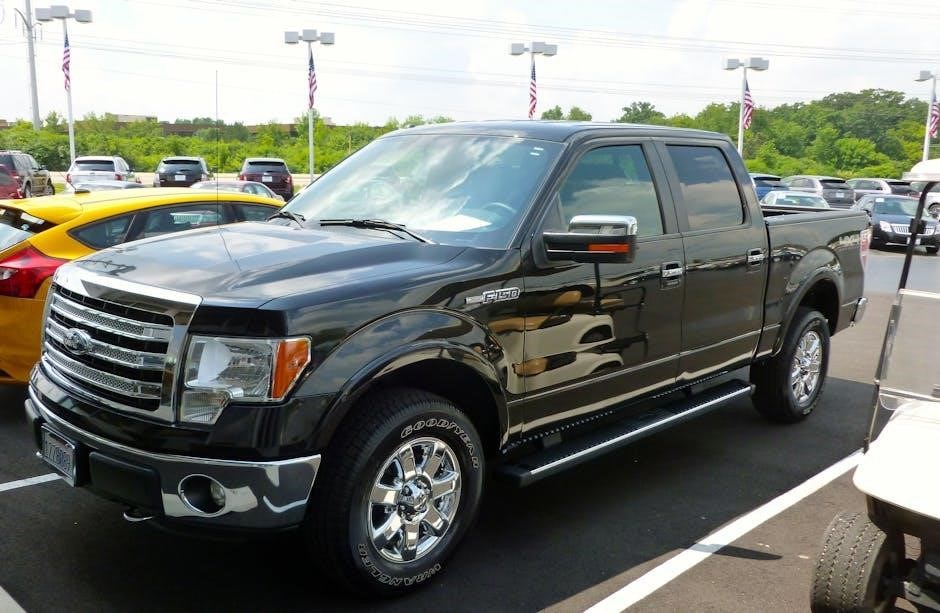
Available features included SYNC, Ford’s voice-activated connectivity system, and various trim levels offering upgraded materials and amenities. Understanding the specific features of your trim level enhances the driving experience.
The manual also covers operation of power windows, locks, and mirrors, as well as the location and function of safety features like airbags. Familiarizing yourself with these controls is essential for safe and comfortable operation.
Safety Features and Systems
The 2011 Ford F-150 incorporated a range of safety features designed to protect occupants. The owner’s manual details the operation of these systems, including the anti-lock braking system (ABS) and stability control. Understanding these features is crucial for safe driving.
Standard safety equipment included multiple airbags, including front, side, and curtain airbags. The manual explains the proper use of seatbelts and child safety seats, emphasizing their importance in minimizing injury during a collision.
Additional safety systems available on certain trims included the Ford’s AdvanceTrac® with Roll Stability Control. The manual provides guidance on recognizing system activations and responding appropriately, ensuring driver awareness and control.
Towing Capacity and Hitch Information

The 2011 Ford F-150’s towing capacity varies significantly based on engine, drivetrain, axle ratio, and cab configuration. The owner’s manual provides detailed charts outlining maximum towing and payload capacities for each specific vehicle configuration.
Proper hitch selection is critical for safe towing. The manual details the different hitch receiver classes and their corresponding weight ratings. It emphasizes the importance of using a hitch and ball mount that are appropriately rated for the intended load.
Understanding weight distribution is also vital. The manual explains how to properly distribute weight within the trailer and on the hitch to maintain vehicle stability and control while towing. Always consult the manual before towing.
Payload Capacity and Weight Distribution
The 2011 Ford F-150’s payload capacity, like towing, is heavily dependent on the specific vehicle configuration – engine, cab style, bed length, and axle ratio all play a role. The owner’s manual provides a sticker located on the driver’s side doorjamb detailing the exact payload capacity for that vehicle.
Proper weight distribution is paramount for safe and controlled handling. The manual stresses the importance of evenly distributing cargo within the bed, with heavier items positioned directly over the axle. Avoid concentrating weight towards the rear of the bed.
Exceeding the payload capacity can compromise braking performance, steering responsiveness, and overall vehicle stability. Always refer to the manual and doorjamb sticker before loading cargo.
Off-Road Capabilities and Features
The 2011 Ford F-150, particularly with 4×4 configurations, offers respectable off-road capabilities. The owner’s manual details the operation of the four-wheel-drive system, including instructions for engaging and disengaging it based on terrain conditions.
Certain trims may include features like skid plates to protect vital undercarriage components and enhanced suspension packages for improved articulation. The manual explains how to utilize these features effectively.
Proper tire inflation is crucial for off-road traction. The manual recommends adjusting tire pressure based on the terrain – lower pressures for sand or snow, and higher pressures for rocky conditions. Always consult the manual for specific recommendations.
Repair Manuals and Resources (Haynes, Ford Fleet)
Accessing repair information for your 2011 Ford F-150 is vital for both routine maintenance and complex repairs. Ford Fleet’s website (fleet.ford.com/maintenance/owners_manuals/results;asp) provides a direct link to official owner’s manuals, offering valuable insights into the vehicle’s systems.
For more detailed repair procedures, consider Haynes manuals. These offer step-by-step instructions, diagrams, and torque specifications. They are available for purchase online and at automotive retailers.
Beyond Ford and Haynes, various online forums and communities dedicated to the F-150 can provide troubleshooting advice and repair tips. Remember to verify information from these sources before implementing any repairs.
Ford Fleet Website for Manuals
The Ford Fleet website (fleet.ford.com/maintenance/owners_manuals/results.asp) serves as a primary resource for obtaining official owner’s manuals for your 2011 Ford F-150. Navigating the site is straightforward: select the correct year (2011), then choose “Ford” as the manufacturer, and finally, specify “F-150” as the model.
If the direct link encounters issues, an alternative path exists through the same website. Locate the “Maintenance” tab at the top of the page, then select “Owners Manual” from the options on the left-hand side. This ensures access to the digital version of your vehicle’s manual.

These manuals contain essential information regarding operation, maintenance schedules, and safety features, proving invaluable for responsible vehicle ownership.
Third-Party Repair Manual Options
Beyond the official Ford resources, several reputable third-party repair manuals offer comprehensive guidance for maintaining and repairing your 2011 Ford F-150. Haynes manuals are a popular choice, providing step-by-step instructions and detailed diagrams for a wide range of procedures.
Specifically, a Haynes Ford Fiesta Service and Repair Manual (dated 2014-07-04) and a Haynes Ford Mondeo Service and Repair Manual (also dated 2014-07-04) demonstrate the availability of such resources, though tailored to different models, they exemplify Haynes’ approach.
These manuals often include information beyond the owner’s manual, catering to those undertaking more extensive repairs. They can be found online or at automotive retailers, offering a valuable supplement to official documentation.

Historical Context: Henry Ford and Ford Motor Company
The story of the 2011 Ford F-150 is inextricably linked to the vision of Henry Ford and the enduring legacy of the Ford Motor Company. Ford, a pivotal figure in automotive history, revolutionized manufacturing with the assembly line, making automobiles accessible to the masses.
He served as president of the Ford Motor Company until the end of the war, shaping its core values and pioneering spirit. His death in 1947, at the age of 83, marked the end of an era, but his influence continued to drive innovation.
Understanding this historical context provides a deeper appreciation for the F-150’s evolution and Ford’s commitment to building durable, reliable vehicles.
Ford’s Legacy and the F-150
Ford’s enduring legacy is built upon a foundation of innovation, durability, and a commitment to the American spirit of hard work. This ethos is powerfully embodied in the F-150, a vehicle that has consistently represented strength and capability for generations of owners.
The F-150 isn’t merely a truck; it’s a symbol of Ford’s dedication to understanding and meeting the needs of its customers. From its early iterations to the refined 2011 model, the F-150 has remained a benchmark in the full-size pickup segment.
This commitment to quality and performance continues to define Ford and the F-150’s place in automotive history.
Evolution of the F-150 Model

The F-150’s journey from its initial introduction to the 2011 iteration showcases a remarkable evolution driven by technological advancements and changing customer demands. Early models focused on rugged simplicity, gradually incorporating features for enhanced comfort and capability.
Significant milestones include advancements in engine technology, transmission options, and safety systems. The 2011 F-150 benefited from these improvements, offering a refined driving experience alongside its renowned toughness.
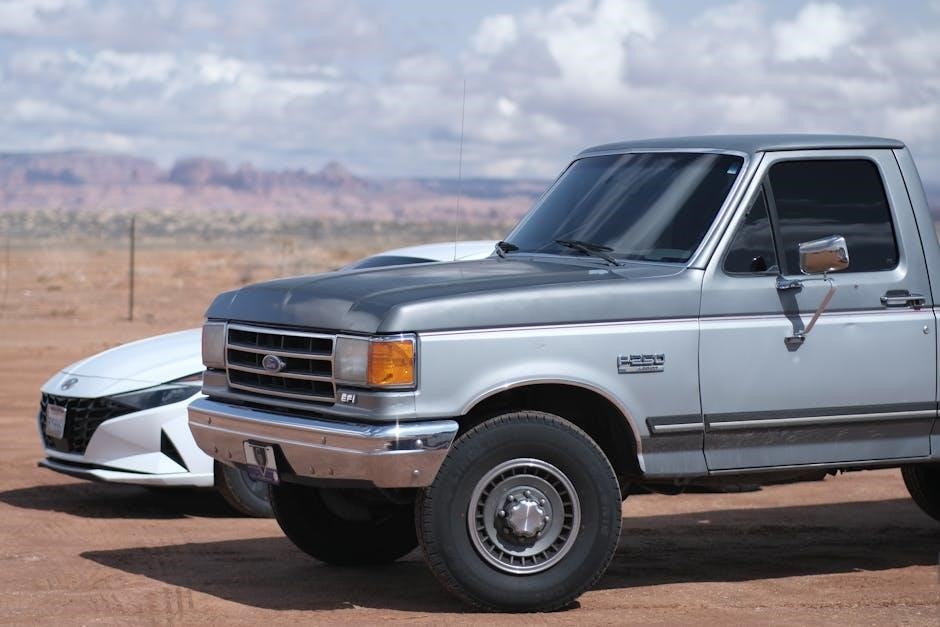
Each generation built upon the previous one, resulting in a truck that seamlessly blends heritage with innovation. Understanding this evolution provides valuable context for appreciating the 2011 F-150’s features and performance.